
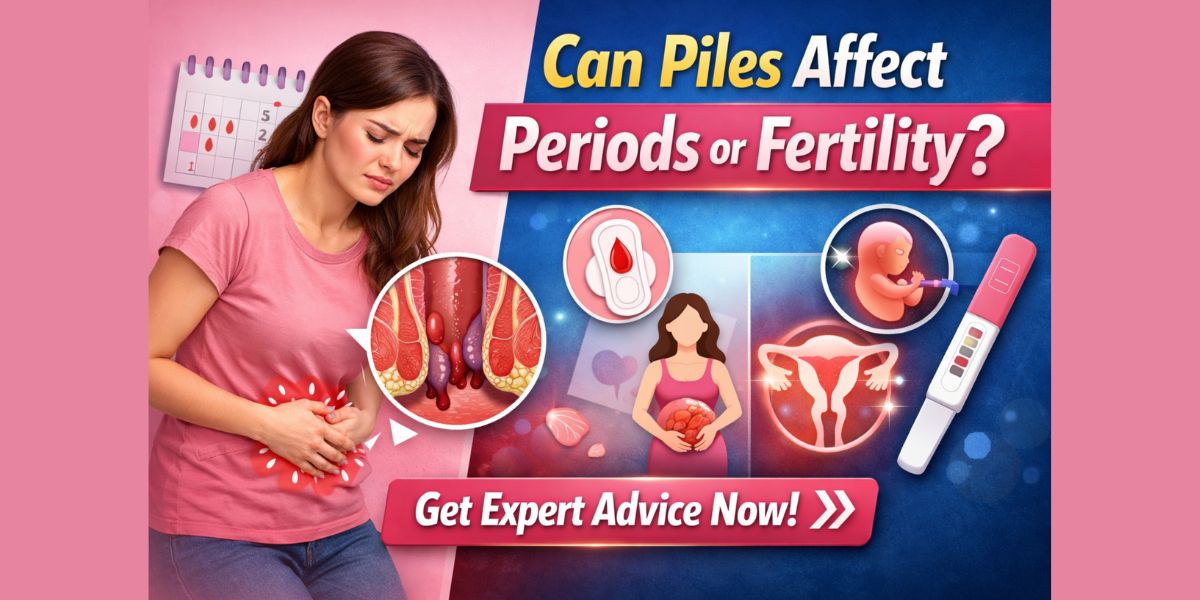
Can Piles Affect My Periods or Fertility?
Experiencing piles can be uncomfortable, but for many women, the concern often extends beyond pain and bleeding to questions like, “Can piles affect my periods and fertility?” Piles, also known as hemorrhoids or bawaseer, are swollen veins in the rectal area that can occur due to various lifestyle and health factors. While piles are primarily a gastrointestinal issue, they can sometimes influence reproductive health indirectly, particularly in females.
At the Centre For Piles & Fistula, Dr. Rakesh Gupta and Dr. Ruchi Gupta, specialists in anorectal and gastrointestinal disorders, have helped countless women understand the link between piles and reproductive health. This blog explores piles symptoms in female patients, how they can impact periods and fertility, and what treatment options are available.
Understanding Piles in Women – Symptoms, Causes, and Concerns
Piles are a common condition in women, especially those who experience pregnancy, prolonged sitting, or irregular bowel movements. Recognising the symptoms of piles in female patients is essential for early intervention and preventing complications.
What Are the Symptoms of Piles in Female Patients?
The piles symptoms that female patients often report include:
- Pain or discomfort during bowel movements
- Itching and irritation around the anal area
- Bleeding after defecation
- Swelling or lumps near the anus
- Mucus discharge in some cases
These bawaseer symptoms in female individuals can vary in intensity. While mild piles may cause occasional discomfort, advanced piles can significantly affect daily life and overall well-being.
Causes of Piles in Female Patients
Understanding the causes of piles in female patients helps in prevention and management. Common causes include:
- Chronic constipation or diarrhea
- Sedentary lifestyle and prolonged sitting
- Hormonal fluctuations during menstruation or pregnancy
- Obesity or poor diet
- Straining during bowel movements
Recognising these causes is the first step in reducing the impact of piles. Notably, women who are already experiencing piles during periods may find that symptoms intensify due to hormonal and vascular changes.
Can Piles Affect Periods and Fertility?
A common question among women with piles is whether this condition can impact menstrual cycles or fertility. Here’s what the experts at Centre For Piles & Fistula say.
Do Piles Affect Menstruation?
While piles do not directly interfere with the reproductive system, they can exacerbate discomfort during menstruation. Women with piles often report:
- Increased anal pain and swelling during periods
- Difficulty sitting or moving comfortably
- Exacerbation of hemorrhoids during menstruation due to hormonal changes
In simple terms, piles and periods can interact in ways that amplify discomfort, but piles rarely disrupt hormonal cycles directly.
Can Piles Cause Infertility?
Many women worry: “Do piles affect fertility in females?” The truth is, most cases of hemorrhoids do not cause infertility. However, severe, untreated piles can lead to chronic pain, stress, or infections, which may indirectly influence reproductive health. Key considerations include:
- Can hemorrhoids cause infertility in females? In rare scenarios where severe anal infections occur, fertility may be indirectly affected.
- Lifestyle modifications and timely treatment reduce the risk of complications.
- At the Centre For Piles & Fistula, both surgical and non-surgical approaches are employed to manage piles effectively while ensuring overall reproductive health is preserved.
Summary Table – Piles Impact on Female Reproductive Health
This table helps women understand that while can piles affect periods and fertility is a valid concern, with early intervention, long-term reproductive health is generally unaffected.
Also Read: Constipation vs Piles: Symptoms, Causes, Differences & Treatment Guide
Treatment, Management, and Preventive Measures
Addressing piles symptoms for female patients promptly is crucial for reducing discomfort and preventing complications.
Treatment Options at Centre For Piles & Fistula
The Centre For Piles & Fistula specialises in both Ayurvedic and modern treatments, guided by Dr. Rakesh Gupta and Dr. Ruchi Gupta. Treatment approaches include:
- Ayurvedic therapies such as Kshar Sutra for chronic or advanced piles
- Laser treatments for minimally invasive management
- Diet and lifestyle counselling to prevent recurrence
- Medication for symptom relief, like topical ointments for itching and pain
Also Read: Sitting Too Long Piles: Causes & Prevention Tips
Preventive Measures for Women
Women can reduce the likelihood of developing or worsening piles during menstruation and maintain reproductive health through simple lifestyle modifications:
- Maintain a high-fibre diet to ease bowel movements
- Stay hydrated and exercise regularly
- Avoid prolonged sitting and straining
- Practice proper hygiene during menstruation
- Schedule routine check-ups at specialised centres
By combining these preventive steps with expert care from Centre For Piles & Fistula, women can manage their symptoms and continue normal menstrual and reproductive functions.
Also Read: Why Is My Stomach Upset in Monsoon? Causes, Symptoms & Prevention Tips
Bullet Points – Key Takeaways for Female Patients
Piles symptoms in female patients should not be ignored, especially if bleeding occurs
- Do piles affect periods? Mostly discomfort, not hormonal disruption
- Can piles affect fertility? Rare, indirect impact only in severe, untreated cases
- Early consultation with specialists like Dr. Rakesh Gupta and Dr. Ruchi Gupta is essential
- Integrating Ayurvedic and modern therapies ensures safe and effective recovery
Conclusion
Women experiencing piles often wonder, “Can piles affect periods and fertility?” While piles can intensify discomfort during menstruation, most cases do not impact fertility directly. Understanding piles symptoms in female patients, causes, and treatment options is key to preventing complications.
The Centre For Piles & Fistula offers a comprehensive approach to managing piles in women, combining Ayurvedic expertise with modern interventions for lasting relief. Dr. Rakesh Gupta and Dr. Ruchi Gupta ensure personalised care tailored to each patient’s needs, addressing both symptom relief and long-term well-being.
If you or a loved one is experiencing piles symptoms for female patients or has concerns about piles and fertility, do not wait. Contact the Centre For Piles & Fistula today for a consultation, or visit our Google Business Profile to learn more about our services across Paschim Vihar, Rohini, Indirapuram, Dwarka, and Tilak Nagar.
Take control of your health today – expert care is just a call away!
Recent Blogs
Piles Myths and Facts: What You Should Really...
14 Sep 2026
Can Junk Food and Poor Diet Increase the Risk...
12 Sep 2026
Is Piles Genetic? Understanding Heredity, Fam...
10 Aug 2026