
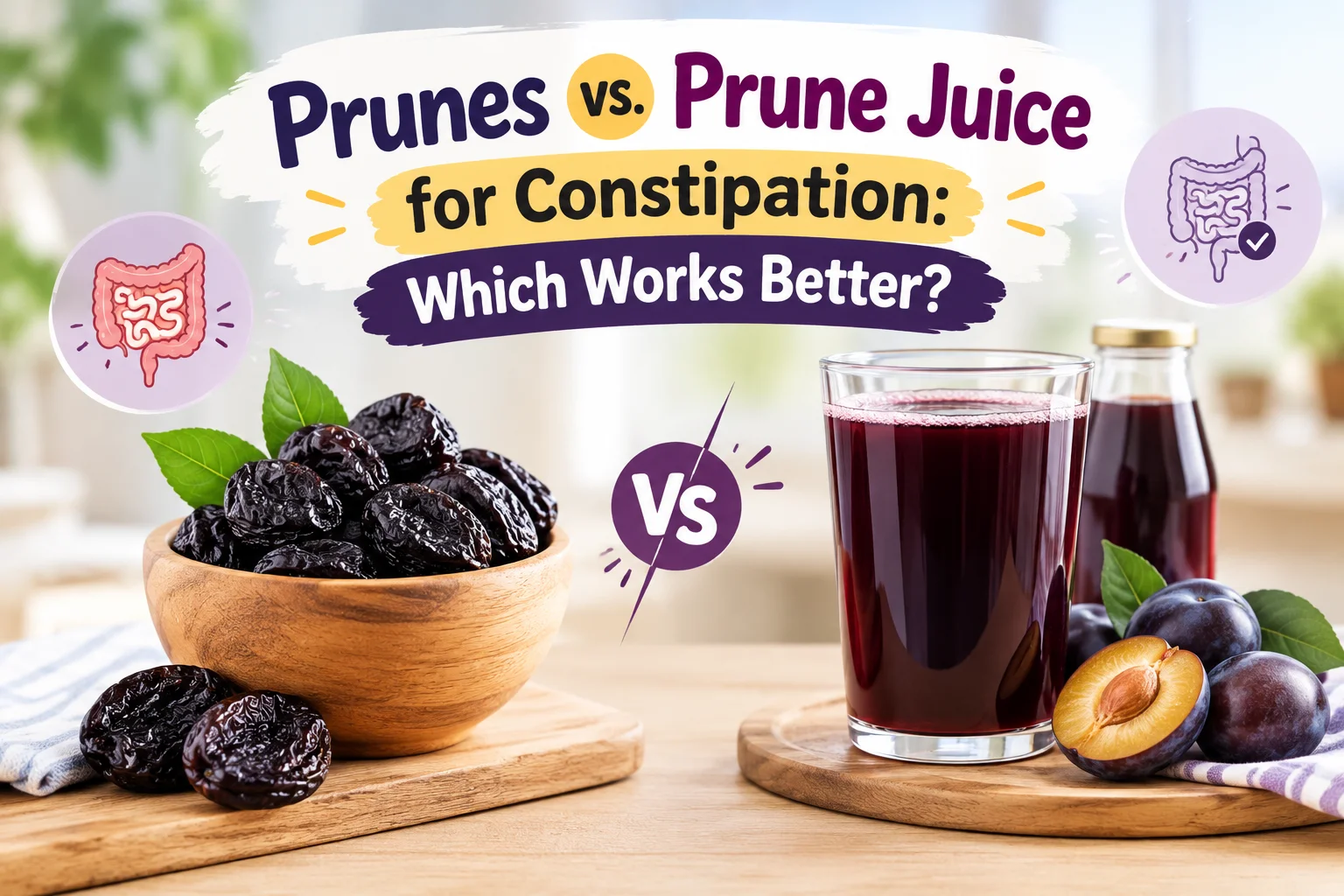
Prunes vs. Prune Juice for Constipation: Which Works Better?
Constipation can make even an ordinary day uncomfortable. If you are exploring natural constipation relief, understanding the difference between whole prunes and prune juice can help you make a more informed choice. A gastro and liver wellness doctor in Delhi may also help you understand when dietary changes are enough and when persistent symptoms need medical attention. At the Centre For Piles & Fistula, associated with Dr. Rakesh Gupta, we believe that reliable digestive health advice should combine practical guidance with evidence-based care.
What Makes Prunes Helpful for Constipation?
Prunes, also known as dried plums, contain sorbitol, dietary fibre and other naturally occurring compounds. Sorbitol attracts water into the digestive tract, which can help soften stools and make bowel movements easier. Dietary fibre supports stool bulk formation and bowel regularity.
These properties make dried plums a useful option among natural laxative foods. However, their effects vary between individuals. Your hydration levels, usual dietary fibre intake, physical activity and underlying digestive conditions can influence your digestive response.
Prunes also contain potassium and polyphenols, which contribute to their nutritional value. Their role in constipation relief, however, primarily relates to sorbitol and fibre rather than any guaranteed or immediate laxative effect.
Prunes vs. Prune Juice for Constipation: Key Differences
Whole prunes and prune juice share some beneficial compounds, but they do not provide exactly the same nutritional benefits.
Which is better? Whole prunes are generally the more useful starting point when you want both sorbitol and dietary fibre. Prune juice remains a convenient alternative, particularly for people who find dried fruit difficult to eat.
The comparison depends on the product, serving size and individual tolerance. Neither option works equally well for everyone.
How Does Prune Juice for Constipation Work?
Prune juice for constipation can support easier bowel movements through its naturally occurring sorbitol and other compounds. Sorbitol has an osmotic effect: it helps retain water in the intestine, which can improve stool consistency.
A randomised, placebo-controlled trial published in the American Journal of Gastroenterology in 2022 examined prune juice in adults with chronic constipation. The study included 84 participants and found improvements in hard stools and constipation-related symptoms among those receiving the prune juice intervention. The researchers also reported a greater proportion of normal stools during the study.
These findings support prune juice as a potential dietary option, but they do not prove that it is superior to whole prunes. The study compared prune juice with a placebo, not directly with whole fruit.
For people seeking a convenient constipation remedy, prune juice may offer gentle digestive support. However, drinking larger quantities does not guarantee faster bowel movements and may cause diarrhoea, gas or abdominal discomfort.
Also Read This Blog: Which Juice Is Good for Piles? Doctor-Recommended Drinks for Natural Relief
Why Whole Prunes May Offer an Additional Advantage
Whole prunes provide dietary fibre that juice processing can reduce or remove. Fibre helps retain water in stool and supports normal stool bulk formation. It can also contribute to healthy gut microbiota, although the effects depend on overall diet and individual digestive health.
Both soluble and insoluble fibre sources matter for gastrointestinal health. Soluble fibre absorbs water and forms a gel-like substance, while insoluble fibre contributes to stool bulk. Whole prunes provide a combination of fibre and sorbitol, making them a practical food choice for bowel regularity.
You can add a modest serving of prunes to breakfast, oatmeal or plain yoghurt. Start with a small amount and increase gradually if you tolerate it well. This approach can help you identify your digestive tolerance without introducing too much fibre or sorbitol at once.
How to Use Prunes or Prune Juice Safely
Dietary changes work best when you consider your overall routine rather than relying on one food.
Start gradually: Introduce prunes or prune juice in small quantities and observe your digestive response.
Maintain hydration: Drink enough water throughout the day. Adequate fluid intake helps fibre work effectively.
Eat a balanced diet: Include vegetables, whole grains, legumes and other fruit-based digestive support.
Stay physically active: Regular movement can support normal bowel function.
Track your symptoms: Note changes in bowel movement frequency, stool consistency and abdominal discomfort.
The National Institute of Diabetes and Digestive and Kidney Diseases recommends adequate fibre intake, sufficient fluids and gradual increases in dietary fibre as part of constipation management.
These measures support natural bowel relief, but they do not replace medical assessment when constipation persists. If you have a medical condition or follow a restricted diet, discuss suitable dietary changes with a healthcare professional.
When Should You Seek Medical Advice?
Dietary remedies may help with occasional constipation, but recurring symptoms can have several causes. Medication effects, inadequate fibre intake, certain medical conditions and problems affecting intestinal motility can all contribute.
Seek medical advice if constipation continues despite self-care. Consult a healthcare professional promptly if you experience rectal bleeding, blood in your stool or persistent abdominal pain. Severe abdominal pain with vomiting or an inability to pass gas requires urgent medical assessment.
People who experience painful bowel movements or related anorectal symptoms should not assume that dietary changes alone will resolve the problem. The Centre For Piles & Fistula, associated with Dr. Ruchi Gupta, can be a point of contact for patients seeking professional evaluation of relevant anorectal concerns, including information about fistula in ano treatment in Delhi.
Conclusion: Choose Better Bowel Health — Visit Our Google Business Profile and Contact Us
Both whole prunes and prune juice can support constipation management. Whole prunes have an advantage when you want additional dietary fibre, while prune juice may suit people who prefer a convenient drink. The best choice depends on your symptoms, dietary habits and tolerance.
For trustworthy digestive health guidance, the Centre For Piles & Fistula, associated with Dr. Rakesh Gupta, encourages patients to seek appropriate medical advice rather than rely solely on home remedies. Visit Our Google Business Profile and contact us to learn more about our services and discuss your concerns with our team.
Frequently Asked Questions
1. Are prunes better than prune juice for constipation?
Whole prunes generally provide more fibre, while prune juice offers a convenient way to consume sorbitol. Whole prunes are a reasonable first choice when increasing dietary fibre is a priority, but individual results vary.
2. How quickly does prune juice relieve constipation?
There is no guaranteed timeframe. Research supports potential benefits with regular intake, but it does not establish a universal time for relief after one serving. Avoid drinking excessive quantities to force a bowel movement.
3. Can I eat prunes every day?
Many people can include prunes in a balanced diet. Start with a small serving and adjust according to tolerance. People with specific medical or dietary needs should seek individual advice.
4. Can prune juice cause diarrhoea?
Yes. Its sorbitol content can draw water into the intestine, and excessive intake may cause loose stools, bloating or abdominal discomfort.
5. Are prunes enough to treat chronic constipation?
Not always. Persistent constipation may require assessment, medication review or evidence-based treatment beyond dietary changes. A healthcare professional can help identify the appropriate approach.
Recent Blogs
Prunes vs. Prune Juice for Constipation: Whic...
12 Oct 2026
Can Chia Seeds Relieve Constipation? Benefits...
09 Oct 2026

Piles Myths and Facts: What You Should Really...
14 Sep 2026