
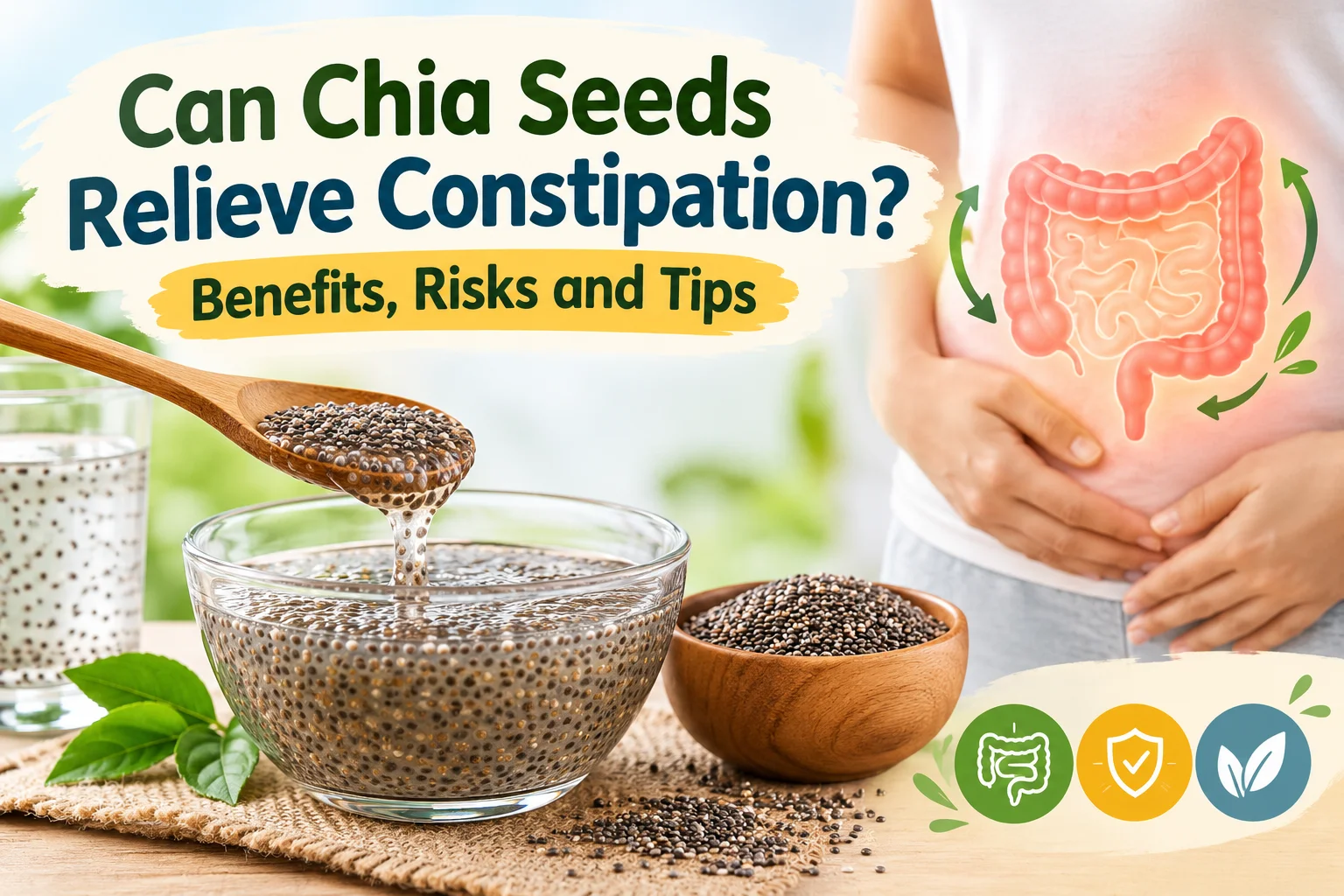
Can Chia Seeds Relieve Constipation? Benefits, Risks and Tips
Can Chia Seeds Relieve Constipation? Benefits, Risks and Tips
Constipation can turn an ordinary day into an uncomfortable experience. Before exploring options such as laser piles treatment in Delhi, many people look for natural constipation relief through dietary changes. Chia seeds are a popular choice because they contain dietary fiber and absorb water. But can chia seeds relieve constipation, or is this another health trend that promises more than it delivers? Let’s explore nutritional science, potential benefits, risks, and practical tips for better digestive wellness.
Can Chia Seeds Relieve Constipation?
Yes, chia seeds may support bowel movement regularity when you include them in a balanced, fiber-rich diet. However, they are not a guaranteed cure, and research on chia seeds as a specific constipation treatment remains limited.
Chia seeds come from Salvia hispanica, a plant known for its nutritional value. In India, people may call them chia beej, chia ke beej, chia dana, chia daane, or chia bij. These names refer to the same seeds.
Their primary digestive health benefits come from dietary fiber. When chia seeds meet liquid, they develop a gel-like consistency. This water retention, combined with their fiber content, may help support stool bulk and softer stools.
How Chia Seeds Support Digestive Health
1. Dietary fiber supports bowel movements
Chia seed nutrition includes dietary fiber, omega-3 fatty acids, and other beneficial nutrients. Their fiber contributes to stool bulk and supports normal intestinal function.
Adults generally need around 22–34 grams of fiber daily, depending on age and sex, according to the US National Institute of Diabetes and Digestive and Kidney Diseases (NIDDK).
Adding chia seeds to a high-fiber diet may help increase dietary fiber intake. Other useful soluble fiber sources and fiber-rich foods include oats, lentils, beans, pears, apples, and vegetables.
2. Water retention helps form a gel
Chia seeds absorb liquid and develop a gel-like coating. This property can contribute to stool softening when you consume them with sufficient fluids.
However, fiber absorption and its effects vary between individuals. Drinking adequate water supports hydration for digestion, while a sudden increase in fiber may cause digestive discomfort.
3. They provide additional nutrients
Chia seeds contain alpha-linolenic acid, a plant-based omega-3 fatty acid. They also contribute to a varied, plant-based diet.
Their fiber may support the gut microbiome, although claims that chia seeds directly improve gut microbiome balance or accelerate intestinal motility need stronger human evidence. Healthy digestion depends on several factors, including diet, fluid intake, activity, medications, and underlying conditions.
How to Eat Chia Seeds for Constipation Relief
For safe consumption, prepare chia seeds properly and introduce them gradually.
Start with a small amount: Try one teaspoon and assess your digestive tolerance before increasing the portion.
Soak the seeds: Mix them with sufficient water or another liquid and allow them to swell before eating.
Add them to meals: Use soaked seeds in oatmeal, yoghurt, or smoothies.
Increase fiber gradually: This gives your digestive system time to adjust and may reduce abdominal bloating.
Maintain fluid intake: Drink enough fluids throughout the day, based on your individual needs and medical advice.
Never swallow dry chia seeds by themselves. They expand on contact with liquid and may become lodged in the oesophagus, particularly in people with swallowing difficulties.
There is no universally established chia-seed dose for constipation. A modest serving may be a convenient solution for increasing fiber, but persistent bowel irregularity needs proper assessment.
Benefits and Risks at a Glance
Can Chia Seeds Cause Constipation or Bloating?
Chia seeds can cause digestive discomfort, especially when someone increases fiber intake too quickly or does not consume enough fluids.
Although their gel-forming properties may support stool softening, eating large portions without allowing the seeds to hydrate properly can make the experience uncomfortable. Potential side effects include unpleasant bloating, gas, and abdominal cramps.
For better digestive comfort, combine chia seeds with other natural laxative foods, such as pears, prunes, and fiber-rich vegetables. Both soluble fiber and insoluble fiber contribute to bowel health, although they work differently.
People with swallowing difficulties, known allergies, or certain gastrointestinal conditions should seek individual advice before using chia seeds regularly. If symptoms worsen after eating them, stop and consult a healthcare professional.
Also Read This Blog:- How to Take Isabgol for Constipation: The Right Way to Get Better Relief
Other Natural Constipation Remedies
Chia seeds work best as part of a balanced approach rather than as a standalone effective remedy.
Choose varied fiber sources: Eat whole grains, pulses, fruits, vegetables, and nuts.
Prioritise hydration: Adequate water intake helps fiber work effectively.
Stay physically active: Regular activity supports general health and normal bowel habits.
Build a toilet routine: Respond to the urge to pass stool instead of repeatedly delaying it.
Review medications and symptoms: Some medicines and medical conditions affect bowel frequency, fecal consistency, and digestive transit time.
These easy-to-follow tips may support improved regularity and constipation prevention. However, there is no single natural remedy that guarantees lasting comfort or positive results for everyone.
When Should You Consult a Doctor?
Occasional constipation may improve with dietary changes, but persistent symptoms deserve medical attention.
Seek medical advice if constipation continues despite self-care, repeatedly returns, or interferes with daily activities. Rectal bleeding, blood in the stool, unexplained weight loss, or ongoing abdominal pain also warrant assessment. Severe abdominal pain with vomiting, swelling, or an inability to pass stool or gas requires urgent medical care.
Constipation and piles can occur together because hard stools and straining may aggravate haemorrhoid symptoms. However, not every case of constipation indicates piles, and not every anorectal symptom has the same cause.
People searching for the best doctor for gastro in Delhi should choose a suitably qualified professional with experience relevant to their symptoms.
The Centre For Piles & Fistula, associated with Dr. Rakesh Gupta and Dr. Ruchi Gupta, may be a point of contact for people seeking information about anorectal care. Check the clinicians’ credentials and suitability for your needs, and seek an individual assessment before deciding on treatment. Dietary changes cannot replace necessary medical care.
Conclusion: Improve Your Bowel Health - Contact Us Today
Chia seeds may provide natural relief from occasional constipation when you prepare them properly, increase fiber gradually, and maintain adequate hydration. Their nutritional benefits make them a useful addition to a varied diet, but they are not a guaranteed cure for constipation or piles.
If your symptoms persist, seek professional guidance instead of relying only on home remedies. For information about laser piles treatment in Delhi, contact the Centre For Piles & Fistula to enquire about a suitable clinical assessment and available treatment options.
Visit our Google Business Profile and contact us for clinic information and appointment enquiries. Choose care based on a qualified medical assessment rather than promises of instant results.
Frequently Asked Questions
1. How long do chia seeds take to relieve constipation?
There is no established timeline for chia seeds specifically. Results depend on your diet, fluid intake, underlying cause, and individual digestive tolerance.
2. Can I eat chia seeds every day?
Many people can include moderate portions in a balanced diet if they tolerate them and prepare them properly. Increase intake gradually and seek advice if you have a digestive condition.
3. Are soaked chia seeds better than dry seeds?
Soaked chia seeds are safer because they have time to absorb liquid before consumption. Avoid swallowing dry seeds, especially if you have difficulty swallowing.
4. Are chia seeds better than other fiber sources?
Not necessarily. Oats, legumes, fruits, and vegetables can also support bowel regularity. Choose a variety of foods that suit your nutritional needs and digestive tolerance.
5. Can chia seeds treat piles?
No. Chia seeds do not directly treat piles. Their fiber may help support softer stools and reduce straining, but persistent pain, bleeding, or swelling requires medical assessment.
Recent Blogs
Prunes vs. Prune Juice for Constipation: Whic...
12 Oct 2026
Can Chia Seeds Relieve Constipation? Benefits...
09 Oct 2026
Piles Myths and Facts: What You Should Really...
14 Sep 2026