
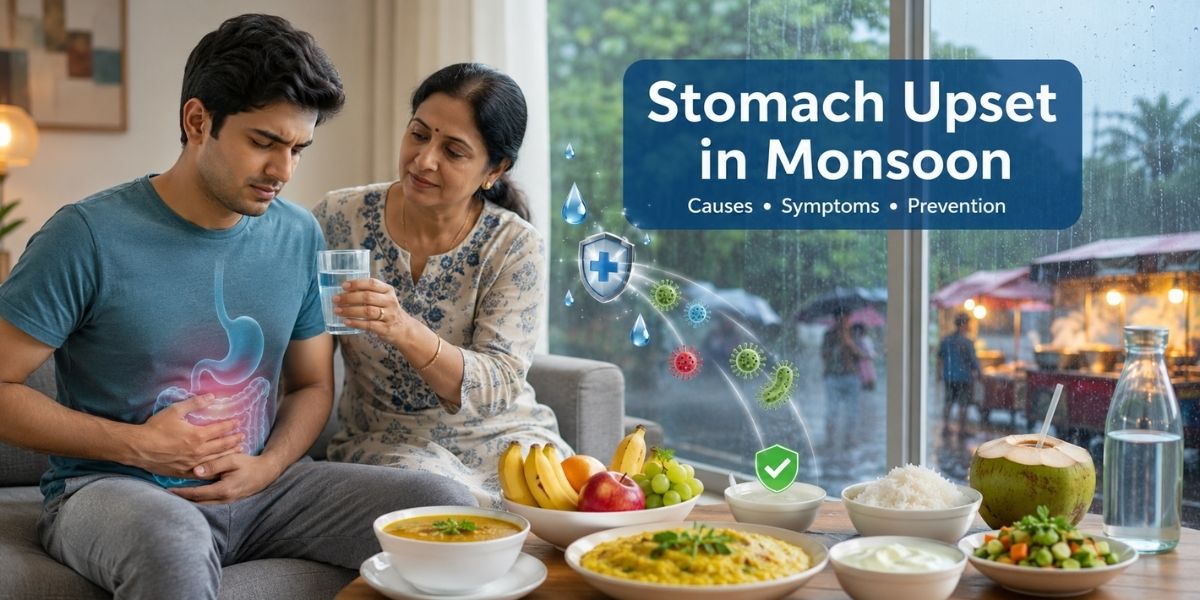
Why Is My Stomach Upset in Monsoon? Causes, Symptoms & Prevention Tips
The arrival of the monsoon brings pleasant weather, greenery, and relief from the summer heat. However, it also increases the risk of digestive illnesses. Every year, I notice that many people experience stomach upset in monsoon because humidity, contaminated food, and unsafe drinking water create ideal conditions for harmful bacteria and viruses to multiply. These seasonal changes affect the Digestive System, making children, adults, students, working professionals, and elderly individuals more vulnerable to infections.
Many patients searching for the Best Doctor for Gastro in Delhi often report symptoms such as nausea, abdominal pain, loose motion, acidity, bloating, vomiting, and constipation shortly after the rainy season begins. While these symptoms may appear minor initially, ignoring them can lead to more serious digestive disorders.
At Centre For Piles & Fistula, we believe that awareness is the first step toward better health. Understanding the causes of digestive disorders, recognising warning signs early, and following safe eating habits can significantly reduce your risk of illness. This comprehensive Digestive Health Guide explains everything you need to know—from common causes and symptoms to practical prevention strategies, healthy food choices, and the right time to seek medical advice.
Why Does Stomach Upset in Monsoon Increase? Understanding the Root Causes of Seasonal Digestive Problems
The rainy season creates an environment where microorganisms grow rapidly. Food spoils faster, water sources may become contaminated, and our digestive efficiency may be reduced due to weather changes. These factors increase the likelihood of monsoon digestive problems, making digestive infections one of the most common seasonal health concerns.
Many people assume that eating spicy food alone causes digestive discomfort. In reality, several environmental and lifestyle factors work together to disturb the normal functioning of the Gastrointestinal Tract (GI Tract).
Common Causes of Digestive Problems During Monsoon
During the rainy season, the body becomes more susceptible to digestive disturbances for several reasons:
These conditions often result in digestive problems during monsoon, especially among individuals with weakened immunity or pre-existing gastrointestinal conditions.
Also Read: 15 Best High Fiber Foods for Piles: A Complete Guide to Better Digestion and Natural Relief
Why Does Stomach Upset Happen During Monsoon?
Several biological and environmental changes explain why digestive complaints increase during this season.
- Increased bacterial infection in food and water
- Viral Gastroenteritis is spreading more easily
- Reduced digestive enzyme activity
- Poor food hygiene practices
- Frequent consumption of oily and spicy foods
- Contaminated fruits and vegetables
- Weak Immune System response
- Inadequate Hydration
- Improper Food Safety Habits
- Irregular eating schedules
These factors contribute to stomach infection during rainy season, stomach problems during monsoon, and other seasonal digestive illnesses. The risk becomes even higher when people consume uncovered street food or drink untreated water.
Another common concern is Food Poisoning in monsoon, which usually occurs after eating contaminated meals. Harmful bacteria multiply quickly in warm and humid conditions, increasing the chances of infection. Maintaining proper hygiene and choosing freshly cooked meals are among the simplest ways to reduce this risk.
Apart from infections, seasonal changes may also trigger constipation during monsoon. Reduced physical activity, lower water intake, and irregular eating habits can slow bowel movements, leading to discomfort. Persistent constipation should not be ignored because it may contribute to anorectal conditions over time.
Many people also experience stomach pain in monsoon, accompanied by acidity, gas, bloating, nausea, or Indigestion in rainy season. While these symptoms often improve with hydration and dietary modifications, persistent or severe discomfort requires professional medical evaluation.
Understanding these root causes helps us make informed lifestyle choices and maintain better Gut Health during monsoon. By adopting healthy eating habits, drinking clean water, and avoiding contaminated food, we can significantly reduce the likelihood of seasonal digestive disorders.
In the next section, we will explore the early symptoms of digestive infections, understand when home care is sufficient, and learn practical prevention strategies that support healthy digestion throughout the rainy season.
Also Read: What are the Different Types of Piles? A Complete Guide to Symptoms, Grades, and Treatment Options
Recognising Symptoms Early and Preventing Digestive Problems During Monsoon
Recognising digestive problems at an early stage helps prevent minor discomfort from becoming a serious medical condition. During the rainy season, infections can spread quickly through contaminated food and water. Although mild digestive discomfort may improve with proper rest and dietary changes, persistent symptoms should never be ignored. I always recommend paying attention to changes in bowel habits, appetite, and hydration because these often provide the earliest signs that the digestive system is under stress.
Many people experience stomach upset in monsoon after eating outside food, drinking untreated water, or following irregular eating habits. Seasonal humidity also encourages bacterial growth, increasing the risk of digestive infections. Early treatment not only reduces complications but also supports faster recovery.
Common Symptoms That Should Not Be Ignored
Digestive disorders during the rainy season may present with one or several symptoms depending on the underlying cause. The severity can vary from mild indigestion to serious gastrointestinal infections.
Common symptoms include:
- Abdominal cramps and stomach discomfort
- Diarrhea during monsoon or repeated loose motions
- Nausea and occasional vomiting
- Gas and bloating
- Acidity after meals
- Fever associated with infection
- Loss of appetite
- Weakness caused by Dehydration
- Excessive tiredness
- Mild to severe abdominal pain
If these symptoms continue for more than one or two days, become severe, or are accompanied by blood in the stool, high fever, or continuous vomiting, immediate medical consultation is important.
A stomach infection during the rainy season may result from bacterial infection, viral gastroenteritis, or contaminated food. Children, senior citizens, pregnant women, and individuals with weakened immunity are generally at a higher risk of complications.
Around the middle of the rainy season, many patients also develop constipation during monsoon because reduced physical activity and inadequate water intake slow normal bowel movements. Chronic constipation should not be overlooked, as it may contribute to piles, fissures, or other anorectal problems.
At Centre For Piles & Fistula, we encourage patients to seek timely evaluation instead of relying only on self-medication. Early diagnosis helps identify whether the problem is caused by infection, food intolerance, inflammation, or another gastrointestinal condition, allowing treatment to begin before complications develop.
Practical Prevention Tips for Better Digestive Health
Preventing seasonal digestive disorders is often easier than treating them. A few consistent daily habits can greatly reduce the risk of infection while supporting healthy digestion throughout the rainy season.
The following practices are highly recommended:
- Drink only clean, filtered, or boiled drinking water.
- Wash fruits and vegetables thoroughly before eating.
- Prefer freshly prepared home-cooked meals whenever possible.
- Avoid stale food and uncovered street food.
- Maintain proper hand hygiene before every meal.
- Include Probiotics such as curd or other fermented foods if suitable for your health condition.
- Consume a balanced diet rich in vegetables, fruits, and fibre.
- Stay physically active to support normal bowel movement.
- Follow proper Hydration tips throughout the day.
- Avoid overeating and maintain regular meal timings.
- Reduce excessive consumption of oily, spicy, and processed foods.
- Practise Safe food practices while cooking and storing meals.
Many people search online for Home remedies for stomach upset during monsoon. While mild digestive discomfort may improve with simple dietary modifications, home remedies should never replace professional medical care when symptoms are persistent or severe.
One of the most common questions is "What to eat when stomach is upset?" During recovery, choose soft and easily digestible foods such as rice, bananas, curd (if tolerated), khichdi, oats, vegetable soup, toast, and boiled potatoes. These foods are generally gentle on the digestive tract and help restore energy without putting excessive strain on digestion.
Equally important is knowing which foods to avoid. Foods that cause stomach problems in rainy season include stale leftovers, improperly refrigerated meals, unhygienic street food, uncooked seafood, and food exposed to flies or contaminated water. Avoiding these items significantly reduces the risk of infection.
Maintaining Gut Health is not limited to one season. Developing healthy eating habits, staying physically active, and following proper hygiene practices contribute to healthy digestion throughout the year. These lifestyle choices also reduce the likelihood of digestive issues in all seasons, including summer and winter, making them essential for long-term digestive wellness.
The next section will explain the best dietary choices for recovery, answer frequently asked questions, discuss when professional care becomes necessary, and conclude with practical advice for maintaining year-round digestive health.
Building Long-Term Digestive Health with Smart Food Choices and Timely Medical Care
Protecting your digestive health does not end when the rainy season is over. Seasonal infections may be more common during monsoon, but maintaining a healthy digestive system requires year-round attention. By following a balanced diet, practising food safety, staying hydrated, and recognising early warning signs, you can reduce the risk of both seasonal and chronic digestive disorders. These habits not only help prevent common stomach problems but also support overall wellness for every age group.
Best Foods to Support Recovery and Maintain Healthy Digestion
When your stomach feels sensitive, choosing the right foods becomes just as important as avoiding harmful ones. Nutritious, freshly prepared meals help the digestive system recover while supporting the body's natural healing process.
Many readers ask, "Best foods to eat during stomach upset?" The answer is simple—eat light, freshly cooked meals in small portions and avoid foods that are difficult to digest. Similarly, those wondering "How to maintain digestive health in monsoon?" should focus on clean drinking water, a balanced diet, regular meal timings, and proper food hygiene.
Seasonal awareness is equally important. While digestive problems in rainy season are common because of increased microbial growth, digestive issues in summer often result from dehydration, and winter stomach problems may be linked to reduced physical activity and dietary changes. Understanding how weather changes and digestion are connected helps us prepare for every season instead of reacting only when illness occurs.
Maintaining year-round digestive care also means paying attention to bowel habits. People experiencing recurring constipation, abdominal discomfort, bleeding during bowel movements, or persistent digestive complaints should not delay medical consultation. These symptoms may indicate conditions that require professional assessment.
Many individuals searching for a Specialist for Piles in Delhi are surprised to learn that long-standing constipation and poor digestive habits can contribute to anorectal disorders. Addressing digestive concerns early is an important step toward preventing future complications.
Conclusion
The monsoon season brings welcome relief from the heat, but it also increases the possibility of digestive infections caused by contaminated food, unsafe water, and changing environmental conditions. By following healthy eating habits, practising proper food safety, staying well hydrated, and seeking timely medical advice when symptoms persist, you can protect your digestive system and reduce the risk of seasonal illness.
At Centre For Piles & Fistula, we are committed to helping patients achieve better gastrointestinal and anorectal health through evidence-based guidance and personalised care. Whether you are dealing with seasonal digestive discomfort, recurring constipation, or other gastrointestinal concerns, early consultation can make a significant difference.
If you or a family member experiences ongoing digestive symptoms, don't ignore them. Contact our team or visit our Google Business Profile to learn more about our services, schedule a consultation, and take the next step toward healthier digestion throughout every season.
Recent Blogs

Prunes vs. Prune Juice for Constipation: Whic...
12 Oct 2026

Can Chia Seeds Relieve Constipation? Benefits...
09 Oct 2026

Piles Myths and Facts: What You Should Really...
14 Sep 2026