
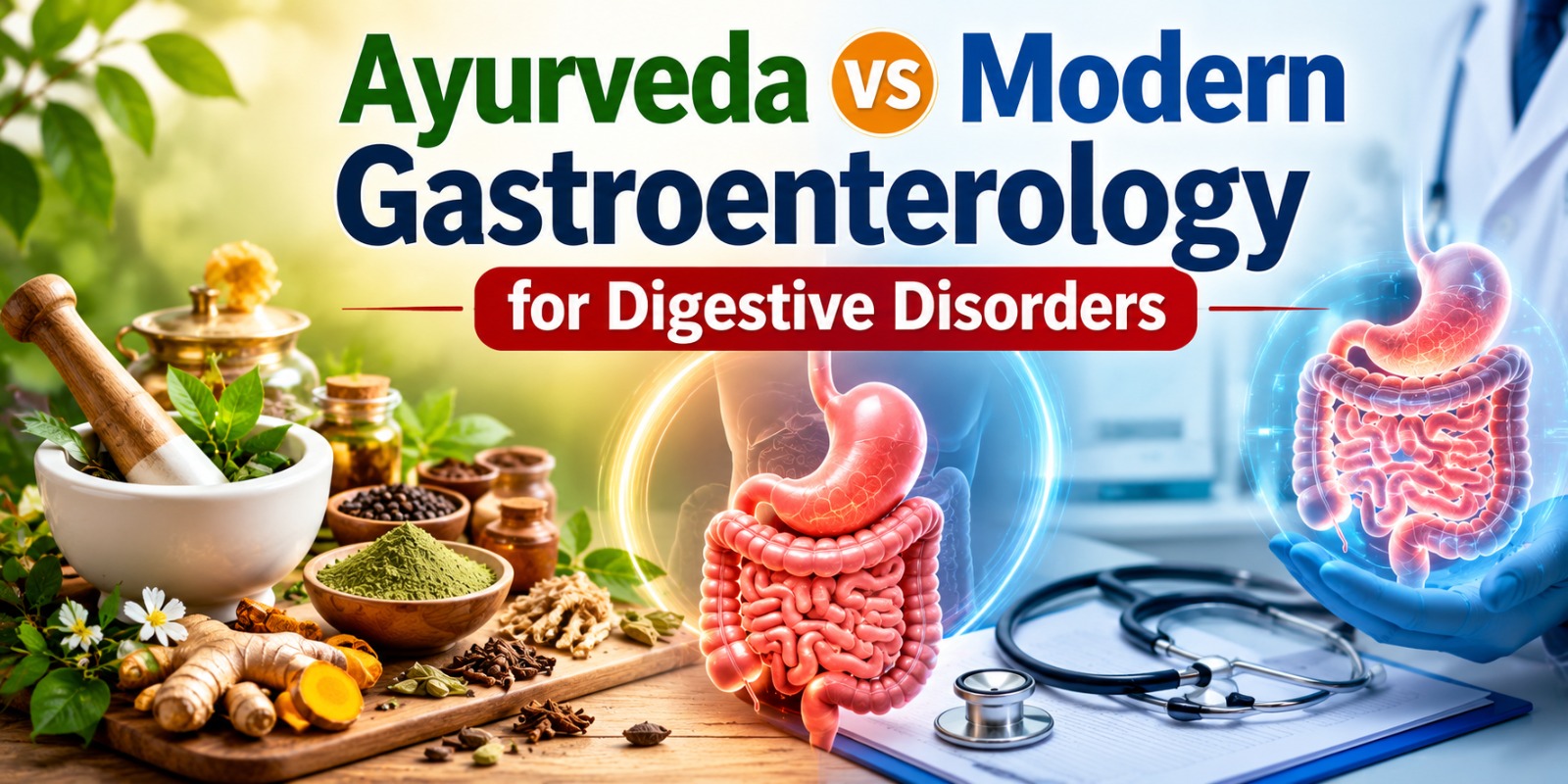
Ayurveda vs modern gastroenterology for digestive disorders
Digestive problems don’t just affect the stomach; they affect mood, energy, sleep, and even how productive your Monday morning feels (and yes, Mondays are already guilty enough). If you are searching for reliable care options like an Ayurvedic Gastroenterologist in Paschim Vihar, especially from trusted centers such as Centre For Piles & Fistula, you’re already taking a step toward informed healing. In this blog, we explore Ayurveda vs modern gastroenterology in a balanced, research-aware way, focusing on real-world digestive system health and how both systems approach chronic digestive disorders.
Ayurveda vs modern gastroenterology: Understanding the basics
The debate of Ayurveda vs modern gastroenterology is not about competition; it's about understanding two different philosophies of healing.
Modern gastroenterology relies on evidence-based diagnostics and treatments. Doctors use tools like endoscopy and colonoscopy to examine the gastrointestinal tract, identify issues like gastroesophageal reflux disease (GERD) or fatty liver disease, and treat them with medication, lifestyle changes, or sometimes procedures.
On the other hand, Ayurveda focuses on balance. It sees digestion as part of overall harmony in the body, often linking gut issues to doshas (Vata, Pitta, Kapha). Clinics like Centre For Piles & Fistula combine traditional wisdom with structured care, offering personalized approaches that many patients find helpful for long-term digestive system health. Interestingly, both systems agree on one thing: your gut is central to your health. They just use different languages to say it.
The Ayurvedic view of digestive health and gut balance
Ayurveda treats digestion like a fire: if it burns well, health improves; if it weakens, problems begin. This concept, known as Agni, connects directly to chronic digestive disorders and intestinal inflammation. In Ayurveda, poor digestion can lead to toxin buildup (Ama), which affects the entire gastrointestinal tract. Treatments often include panchakarma therapy, herbal digestive remedies, and a structured Ayurvedic diet plan tailored to individual body types.
A common question patients ask is: Can Ayurveda cure acid reflux permanently? Ayurveda suggests that with consistent lifestyle correction, diet control, and herbal support, symptoms of acid reflux may be significantly reduced. However, modern medical research (including general guidance from global health institutions like WHO-aligned clinical practices) emphasises that long-term outcomes vary by individual condition severity.
At Centre For Piles & Fistula, practitioners often integrate dietary planning with supportive therapies, ensuring patients get a structured and realistic care path rather than quick-fix promises.
Modern gastroenterology: Precision, diagnostics, and targeted treatment
Modern medicine takes a highly analytical route. When patients experience chronic bloating, acidity, or liver issues, doctors often rely on diagnostic tools like endoscopy or colonoscopy to visually confirm conditions. Diseases such as gastroesophageal reflux disease are treated using a combination of medications, diet modification, and sometimes advanced procedures.
Unlike traditional assumptions, modern gastroenterology does not ignore lifestyle. Doctors strongly recommend dietary adjustments, stress management, and avoiding trigger foods, areas where Ayurveda also strongly agrees.
At Centre For Piles & Fistula, patients often receive guidance that respects both clinical diagnosis and supportive wellness practices. This is where integrative thinking becomes useful rather than ideological. A fair comparison of Ayurveda vs modern gastroenterology shows that modern medicine excels in emergency diagnosis and precision, while Ayurveda focuses more on long-term balance and prevention strategies.
When both systems meet: A practical reality check
Here is where things get interesting and a bit humorous. Your stomach doesn’t care whether the treatment comes from ancient texts or modern labs. It just wants relief.
This is why many health experts now support integrative approaches. For example, someone recovering from acid reflux may use medications prescribed after diagnosis but also follow dietary routines inspired by Ayurveda.
The question of how Ayurveda treats gut problems naturally often comes up in consultations. The answer typically includes dietary regulation, stress control, herbal support, and therapies like panchakarma therapy, all aimed at restoring digestive balance.
In real-world practice, patients at Centre For Piles & Fistula often benefit from structured plans that combine medical insight with traditional guidance. This avoids extremes—no blind herbal dependency, and no over-medication either.
A niche but important internal concern is conditions like fistula. Some patients explore Ayurvedic medicines for fistula in Paschim Vihar, seeking supportive care alongside medical supervision. The key is supervision, not self-treatment.
Comparing outcomes: science vs traditional wisdom
A direct ayurveda vs modern gastroenterology comparison shows different strengths:
- Modern gastroenterology:
- Strong diagnostic accuracy
- Evidence-backed medications
- Clear identification of diseases using tools like Endoscopy
- Effective in acute or severe conditions
Ayurveda:
- Focus on root-cause lifestyle correction
- Emphasis on long-term digestive system health
- Herbal and dietary approaches
- Personalized wellness planning
Neither system claims perfection. Even modern research acknowledges that lifestyle and diet play a massive role in gut health, which aligns closely with Ayurvedic principles.
Why digestive health needs both perspectives
Gut health is not a one-size-fits-all topic. Stress, diet, sleep, and genetics all play a role in chronic digestive disorders. This is why combining insights can be powerful.
For example:
- Modern medicine identifies the condition precisely
- Ayurveda supports recovery through lifestyle correction
Patients visiting Centre For Piles & Fistula often appreciate this balanced approach, especially when dealing with recurring digestive discomfort.
And let’s be honest, no one enjoys living on antacids forever or constantly worrying about food triggers. A sustainable plan matters more than temporary relief.
Final thoughts: choosing the right path for your gut
When it comes to digestive health, there is rarely a single perfect solution for everyone. The real goal is to choose a path that fits your symptoms, your body type, and your long-term lifestyle.
At Centre For Piles & Fistula, patients receive structured care focused on real diagnosis, thoughtful guidance, and long-term digestive system health. Whether you are exploring Ayurvedic support or need clinical evaluation, the goal remains simple: help you feel better and stay better, without confusion or guesswork.
If you are looking for professional advice or want to understand your treatment options better, you can visit or contact Centre For Piles & Fistula directly. You can also check our Google Business Profile for location details, patient feedback, and appointment information. Your gut health is not something to delay. The sooner you understand your condition, the easier it becomes to treat it effectively and sustainably.
Recent Blogs

Prunes vs. Prune Juice for Constipation: Whic...
12 Oct 2026

Can Chia Seeds Relieve Constipation? Benefits...
09 Oct 2026

Piles Myths and Facts: What You Should Really...
14 Sep 2026