
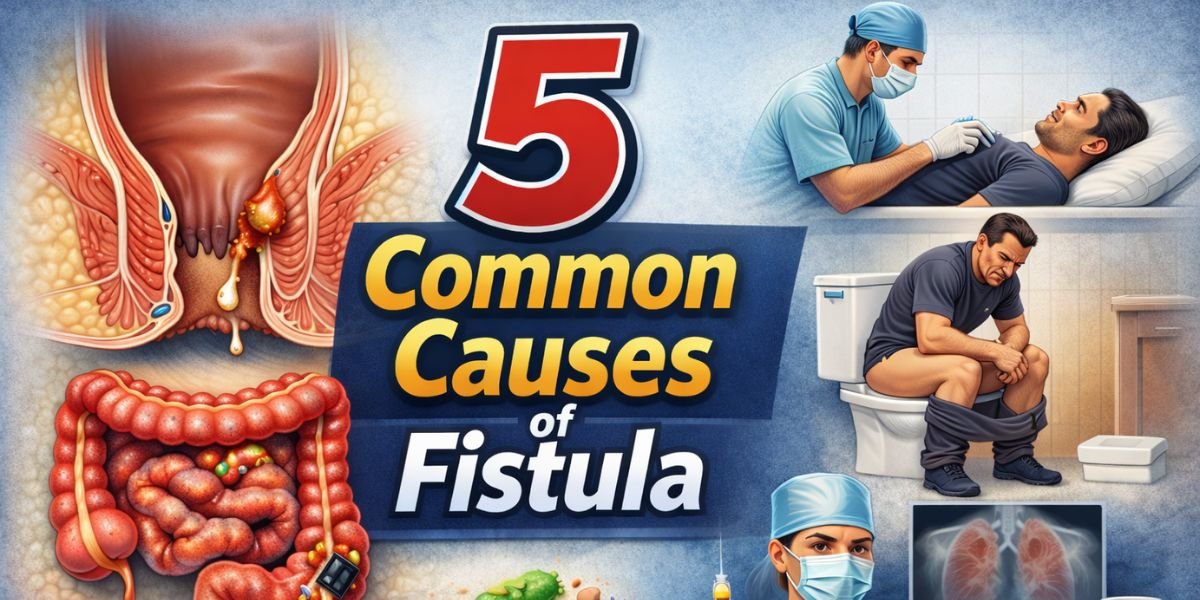
Top 5 Common Causes of Fistula | Symptoms, Reasons, and Risk Factors
An anal fistula is a condition that can cause significant discomfort, embarrassment, and disruption to daily life, yet it remains a topic that many people hesitate to discuss. Understanding the underlying reasons for this condition is the first step toward effective management and recovery. At Centre For Piles & Fistula, we believe that patient education is just as important as medical intervention. By comprehending the Top 5 Common Causes of Fistula | Symptoms, Reasons, and Risk Factors, patients can recognise the warning signs early and seek the necessary medical attention before the condition complicates further. This comprehensive guide aims to demystify the origins of anal fistulas, exploring the medical and lifestyle factors that contribute to their development while providing insight into the best available treatments in Delhi and the NCR region.
What is a fistula in Ano?
A fistula in ano is essentially an abnormal connection or small tunnel that develops between the end of the bowel, known as the anal canal, and the skin near the anus. This tunnel usually forms as a result of an infection that did not heal properly. When an anal abscess forms and drains, it can leave a hollow channel behind. If this channel remains open, it becomes a fistula. This fistula problem can lead to persistent drainage, pain, and recurring infections if left untreated. While it is a distinct medical condition, it is often confused with other anorectal disorders; however, the presence of a tract connecting the internal canal to the external skin is the defining characteristic of an anal fistula. Understanding the specific pathology is crucial because the treatment approach differs significantly from other issues like haemorrhoids or fissures. One of the primary steps in diagnosis is investigating the specific causes of fistula in the patient’s history to determine the best course of action.
Top 5 Common Causes of Fistula
There are various etiologies behind the formation of these troublesome tracts. While some are related to acute infections, others stem from chronic health conditions. Below, we delve into the most prevalent factors.
1. Infection of Anal Glands
The leading culprit among the various causes of fistula is undoubtedly an infection within the anal glands. The human anatomy includes small glands just inside the anus that produce fluid. Occasionally, these glands can become clogged or blocked by bacteria, faecal matter, or foreign material. When this blockage occurs, bacteria begin to multiply rapidly, leading to a pocket of pus known as an abscess. This infected anal gland fistula is the result of the abscess trying to drain. The pus seeks the path of least resistance to exit the body, often tunnelling through the tissue to break the skin surface near the anus. Even after the abscess drains, the tunnel may remain, serving as a pathway for continued infection. Understanding anal gland infection is vital because preventing the initial blockage is difficult, but treating the abscess promptly can sometimes prevent fistula formation.
2. Chronic Constipation or Straining
Lifestyle and dietary habits play a significant role in anorectal health, and bowel movements are central to this. Constipation causing fistula development is a scenario where hard, dry stools and the subsequent straining required to pass them cause trauma to the anal canal. This physical stress can cause tears or fissures in the lining of the anus. While a fissure is different from a fistula, a chronic, non-healing fissure can become infected, leading to an abscess and eventually a fistula. Furthermore, chronic constipation increases the risk of fistula because the passage of hard stool can injure the delicate anal glands mentioned previously, triggering the infection cycle. Therefore, maintaining regular bowel movements is not just about comfort but is a preventative measure against structural damage to the anorectal region.
3. Crohn’s Disease / IBD
For some patients, the development of a fistula is a complication of a broader systemic condition. Fistula due to Crohn’s disease is a well-documented occurrence. Crohn’s disease is a type of Inflammatory Bowel Disease (IBD) that causes chronic inflammation of the digestive tract lining. This persistent inflammation can erode the tissue layers, burrowing through the bowel wall and creating fistulas that connect to the skin or even other organs. Unlike simple fistulas caused by gland infections, an inflammatory bowel disease fistula is often complex and recurrent. Identifying causes of fistula related to IBD is critical for surgeons because treating the fistula without managing the underlying Crohn’s disease often leads to failure or recurrence.
4. Trauma or Anal Injury
Physical trauma to the anal region is another significant factor to consider. An anal injury fistula can develop following surgery for other conditions, such as hemorrhoidectomy or fissurectomy, if healing does not proceed as planned. Additionally, trauma-causing fistula formation can result from external injuries, childbirth (specifically during difficult deliveries involving perineal tears), or diagnostic procedures that inadvertently damage the anal wall. When the tissue is traumatised, it becomes susceptible to infection and abscess formation. If the body’s natural healing process is disrupted or if the wound becomes contaminated with faecal matter, the likelihood of a fistula tract developing increases substantially.
5. Tuberculosis or Other Infections
While less common in some parts of the world, in many regions, infectious diseases remain significant causes of fistula development. A tubercular fistula arises when tuberculosis bacteria infect the anorectal tissue. This is a specific type of infection that requires distinct medical management compared to standard bacterial abscesses. Furthermore, a fistula due to infection can also stem from sexually transmitted diseases like syphilis or chlamydia, or occur in patients who are immunocompromised, such as those with HIV. In these cases, the fistula is a symptom of a larger infectious burden on the body, and treatment must address the systemic infection alongside the local anatomical defect.
Also Read: Why Is My Stomach Upset in Monsoon? Causes, Symptoms & Prevention Tips
Common Symptoms of Fistula
Recognising the signs of fistula early can save a patient from prolonged suffering and complex surgeries. The manifestation of an anal fistula usually involves a combination of discomfort and visible signs. Patients frequently report a persistent or intermittent discharge of pus, blood, or foul-smelling fluid from an opening near the anus, which often soils underwear and causes skin irritation. Pain while sitting is another hallmark complaint, often described as a throbbing or aching sensation that worsens during bowel movements or coughing. Many individuals experience a recurrent abscess, where a painful swelling appears, bursts or is drained, heals, and then returns in the same location. Swelling near the anus is often palpable and tender to the touch. Additionally, systemic signs such as fever and chills may accompany the local symptoms if an acute infection or an undrained abscess is present. These fistula symptoms and anal fistula symptoms should never be ignored, as they indicate an active infectious process.
Risk Factors of Fistula
Certain individuals are more predisposed to developing this condition due to specific lifestyle and health variables. When evaluating the causes of fistula, physicians also look at the risk factors of anal fistula to understand the patient's susceptibility. Poor hygiene can contribute to skin irritation and infection, although it is rarely the sole cause. A significant risk factor is diabetes; patients with unregulated blood sugar levels have impaired healing capabilities and a higher propensity for infections, making abscesses more likely to evolve into fistulas. Smoking is another major detriment, as nicotine restricts blood flow to the tissues, delaying healing and increasing the risk of recurrence after treatment. Immune weakness, whether due to medication, HIV, or other systemic issues, reduces the body's ability to fight off the initial gland infection. As previously mentioned, a history of Crohn’s disease is one of the most substantial fistula risk factors, often leading to complex cases that are difficult to cure.
Also Read: What are the Different Types of Piles? A Complete Guide to Symptoms, Grades, and Treatment Options
When Should You Consult a Doctor?
Determining the right time to seek medical help is crucial for effective fistula treatment. You should consult a doctor immediately if you notice persistent drainage, recurring pain, or swelling in the anal region. Self-medication or home remedies are rarely effective for a formed fistula tract and can lead to complications. Seeking the best doctor for a fistula ensures that you receive an accurate diagnosis, which may involve a physical exam and imaging like an MRI or ultrasound. Early intervention allows for simpler fistula-in-ano treatment protocols. If you are experiencing symptoms that align with the causes of fistula discussed, delaying care can lead to the branching of the tract, making the fistula more complex and harder to treat. At Centre For Piles & Fistula, our specialists are trained to diagnose the severity of the condition promptly.
Best Treatment Options
Once diagnosed, the focus shifts to fistula treatment options. Modern medicine and ancient wisdom have provided several effective paths. At our centre, we specialise in Ksharasutra treatment for fistula, a time-tested Ayurvedic therapy. This technique involves using a medicated thread (Ksharasutra), which cuts and heals the tract simultaneously. It is renowned for its low recurrence rate and cost-effectiveness. For those seeking modern technological interventions, Laser treatment for fistula is an excellent option. This minimally invasive procedure uses laser energy to seal the fistula tract without the need for large incisions, resulting in faster recovery and less post-operative pain. While there are claims of non-surgical fistula treatment, a true fistula tract rarely heals without some form of intervention to close or remove the tunnel. Understanding the specific causes of fistula in your case helps the doctor recommend whether Ksharasutra or Laser is the superior choice for you.
Local Treatment Options
If you are suffering from symptoms and suspect any of the causes of fistula are affecting you, finding specialised care nearby is essential. For residents in the capital, finding the best doctor for fistula in Rohini or the best fistula doctor in Paschim Vihar is the first step toward recovery. Our centre provides top-tier fistula in ano treatment in Rohini and comprehensive fistula in ano treatment in Paschim Vihar. We are recognised as a leading anorectal hospital in Delhi, combining expertise with compassionate care. Whether you are looking for the best fistula doctor in Delhi or specifically in the western or northern districts, our facilities are equipped to handle complex cases. As a soft reminder: “Fistula ke symptoms ho to timely diagnosis zaroori hai. Delhi, Rohini, Paschim Vihar me expert fistula doctors available hain.”
Prevention Tips
While not all causes are avoidable, certain measures can significantly lower your risk. To prevent fistula formation, one must prioritise bowel health. Adopting a high-fibre diet is the most effective way to ensure soft, regular stools, thereby reducing the need for straining. You should actively avoid constipation by staying hydrated and exercising regularly. Good hygiene in the anal area prevents external infections that could complicate existing fissures or abscesses. Furthermore, understanding the causes of fistula suggests that managing underlying conditions like diabetes and Crohn’s disease is a form of fistula prevention. Following these fistula prevention tips can help maintain anorectal integrity and overall health.
Conclusion
In summary, understanding the causes of fistula—ranging from anal gland infections and chronic constipation to Crohn’s disease and trauma—is essential for early detection and effective management. We have explored the distressing symptoms, such as discharge and pain, and highlighted the risk factors, including smoking and diabetes. Remember, this condition rarely resolves on its own and requires professional intervention.
At Centre For Piles & Fistula, we provide the highest level of care, representing the first centre in Delhi/NCR to offer the perfection of Ayurveda and modern science. We are an eminent name engaged in offering time-tested ayurvedic therapies and treatments for curing all anorectal disorders such as Piles, Fistula, Fissures, rectal polyps, and Pilonidal sinus. We aim to use Ayurveda knowledge to improve the quality of human health. We provide all facilities in Ayurveda KSHAR SUTRA for the treatment of these issues as per the patient's and the disease's stage. Our therapies not only revitalise the body and the soul but also consist of a total health orientation.
Supported by a team of diligent professionals, including Dr Rakesh Gupta (B.A.M.S., NDDY) and Dr Ruchi Gupta (B.A.M.S., NDDY), both Senior Ayurvedic Physicians & Surgeons specialising in Anorectal & Gastrointestinal Disorders, we carefully study the reports and tests of the patients to come up with the best and most cost-effective treatments. Our professionals use Ayurvedic methods so that these diseases can be cured effectively and naturally. Today, we are counted among the most reliable organisations that are engaged in treating pile-related problems. Our amiable professionals carefully listen to patients' problems and provide them with the appropriate treatment. Centre For Piles & Fistula has made the latest laser treatment for Piles, Fistula, Pilonidal Sinus, Ksharasutra, and IRC at affordable and accessible prices to all in the entire Delhi / NCR.
If you are worried about the price, we offer an Interest-Free EMI Facility and Free Consultation. Additionally, pick-up & drop-off charges for procedures are refundable. Do not let the causes of fistula dictate your quality of life; visit our Google Business Profile or contact Centre For Piles & Fistula today to begin your journey toward healing.
Recent Blogs

Can Junk Food and Poor Diet Increase the Risk...
12 Sep 2026

Is Piles Genetic? Understanding Heredity, Fam...
10 Aug 2026

15 Best High Fiber Foods for Piles: A Complet...
07 Aug 2026