
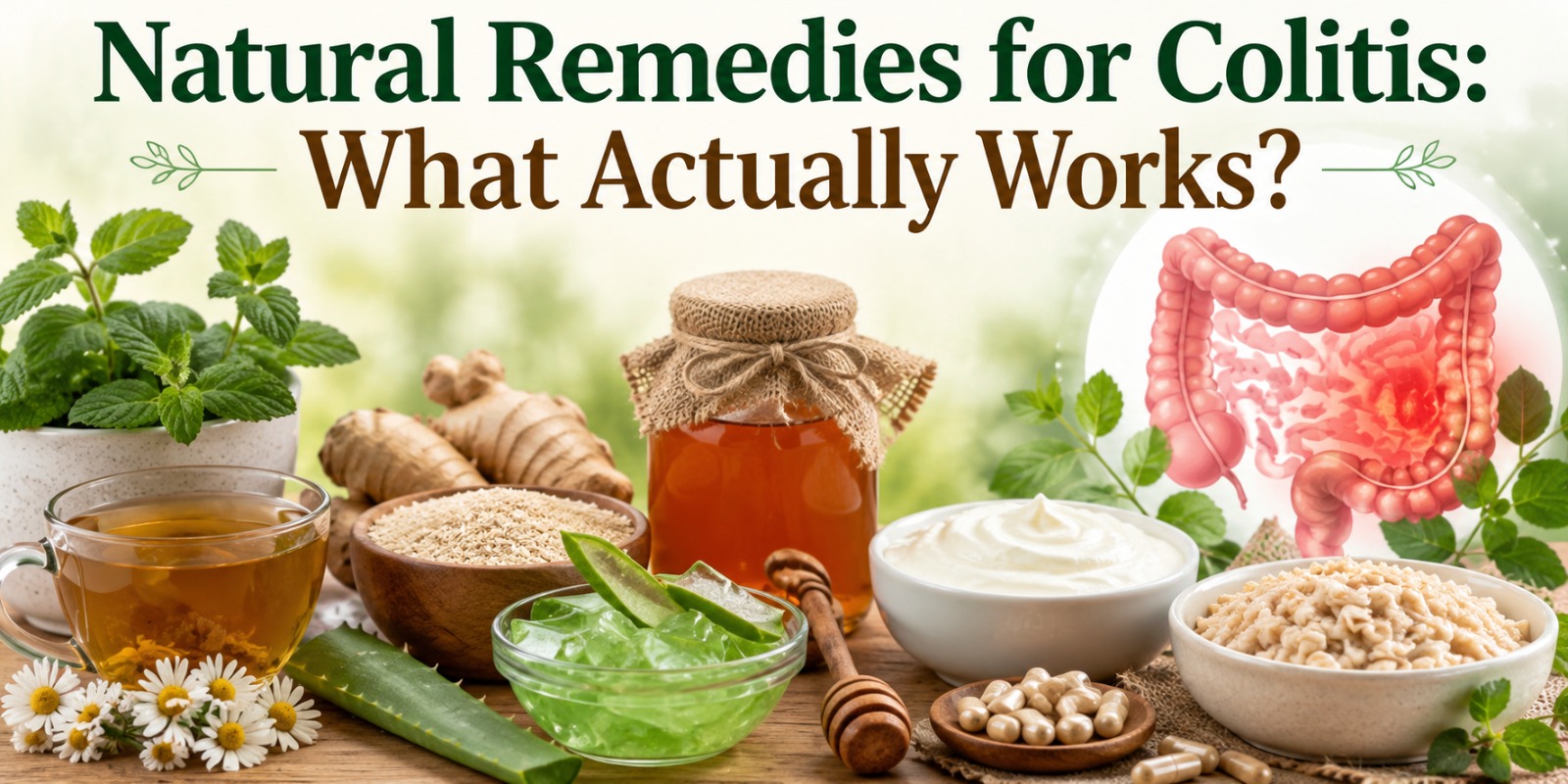
Natural Remedies for Colitis: What Actually Works?
Colitis can feel like your gut suddenly decided to start its own protest movement loud, unpredictable, and definitely inconvenient. If you’re searching for reliable guidance, especially around colitis treatment in Dwarka, you’re not alone. Many people today look beyond medications and explore lifestyle-based approaches that actually support gut healing.
At Centre For Piles & Fistula, patients often ask whether lifestyle changes and colitis natural remedies can truly help manage symptoms or if it’s just internet hype. The honest answer: some approaches do support medical treatment, but none should replace professional care. Let’s break it down in a practical, human way without the fluff.
Understanding Colitis Before You Try Anything Natural
Before jumping into solutions, it helps to understand the problem. Colitis refers to inflammation of the colon. It can cause symptoms like abdominal pain, diarrhoea, fatigue, and urgency. Conditions like ulcerative colitis fall under this umbrella. Experts from the Crohn’s & Colitis Foundation highlight that triggers vary widely; stress, diet, immune response, and even gut bacteria play roles.
This is where confusion often begins. People search for home remedies for ulcerative colitis, hoping for quick fixes. But colitis doesn’t work like a switch you can flip off. Still, supportive care matters, and that’s where natural remedies for colitis come in.
Natural Remedies for Colitis That Actually Support Gut Health
Let’s keep expectations realistic. These methods don’t cure colitis, but they can support symptom management and gut comfort.
1. Turmeric for Inflammation Support
Turmeric (Curcumin) often gets attention for its anti-inflammatory properties. Research summarised by the National Centre for Complementary and Integrative Health suggests curcumin may help reduce inflammation in some conditions when used alongside standard treatment.
Many patients exploring natural remedies for colitis include turmeric in meals or warm drinks. Think of it as a gentle assistant, not a replacement doctor. At Centre For Piles & Fistula, specialists often advise moderation because too much of a good thing can still upset the gut.
2. Aloe Vera Juice and Gut Soothing
Aloe Vera shows up everywhere in wellness conversations, especially for digestion. Some people with mild symptoms report relief when using aloe vera juice. However, clinical evidence remains mixed. While aloe vera juice for ulcerative colitis sounds promising, experts still classify it as supportive rather than primary therapy. So yes, it may calm irritation but don’t expect miracles in a bottle.
3. Ginger for Digestive Comfort
Ginger has a long history in digestive care. It may help reduce nausea and support smoother digestion. People exploring colitis natural remedies often use ginger tea as part of their routine. It’s simple, affordable, and fits easily into daily life. Plus, it tastes better than half the miracle gut drinks trending online.
4. Chamomile for Gut Relaxation
Chamomile works more like a calming agent for the digestive system. It may help reduce mild cramping and stress-related gut discomfort. Since stress can worsen symptoms, chamomile tea often becomes a nighttime ritual for many patients following natural remedies for colitis. At Centre For Piles & Fistula, clinicians often remind patients that gut health and mental calmness share a strong connection.
5. Gut Healing Foods and Fibre Balance
Diet plays a major role in symptom control. Foods like bananas, oats, rice, boiled vegetables, and yoghurt often fall under gut healing foods. But here’s the tricky part: fibre intake for colitis patients must stay balanced. Too much fibre during flare-ups can worsen symptoms, while too little may affect gut health long-term. That’s why personalised dietary guidance matters.
Lifestyle Matters More Than You Think
Here’s something people often overlook: lifestyle affects symptoms just as much as food. Stress, sleep, hydration, and physical activity all influence flare-ups. Doctors at Centre For Piles & Fistula regularly see patients improve when they combine medical treatment with structured lifestyle changes. Even light walking or breathing exercises can support digestion. No gym membership required. This forms the backbone of modern non-pharmaceutical colitis care, a supportive system that works alongside medical treatment.
Where Natural Approaches Fit (and Where They Don’t)
Let’s be clear. You can use natural remedies for colitis to support comfort, but you should never rely on them alone for moderate to severe cases. Medical evaluation remains essential. In fact, many patients seeking colitis treatment discover that combining clinical care with lifestyle strategies gives the best results.
At Centre For Piles & Fistula, specialists emphasise a balanced model:
1. Medical treatment for inflammation control
2. Diet adjustments for symptom management
3. Stress reduction for long-term stability
No single remedy works in isolation. Even procedures sometimes discussed in digestive care, including options like best laser treatment in dwarka, relate more to surgical or advanced care pathways, not natural management. So it’s important not to mix unrelated treatments.
Final Thoughts: A Balanced Path Works Best
Managing colitis works best when patients combine medical guidance with safe lifestyle choices instead of relying on guesswork or quick fixes. Centre For Piles & Fistula focuses on providing evidence-based digestive and anorectal care, helping patients understand their condition clearly and choose the right treatment path with confidence. The approach here prioritises proper diagnosis, individualised treatment planning, and long-term symptom management rather than temporary relief.
If you are looking for expert consultation, you can contact or visit Centre For Piles & Fistula for professional evaluation and personalised guidance on digestive health concerns, including colitis management and related conditions.
Recent Blogs
Piles Myths and Facts: What You Should Really...
14 Sep 2026

Can Junk Food and Poor Diet Increase the Risk...
12 Sep 2026

Is Piles Genetic? Understanding Heredity, Fam...
10 Aug 2026