
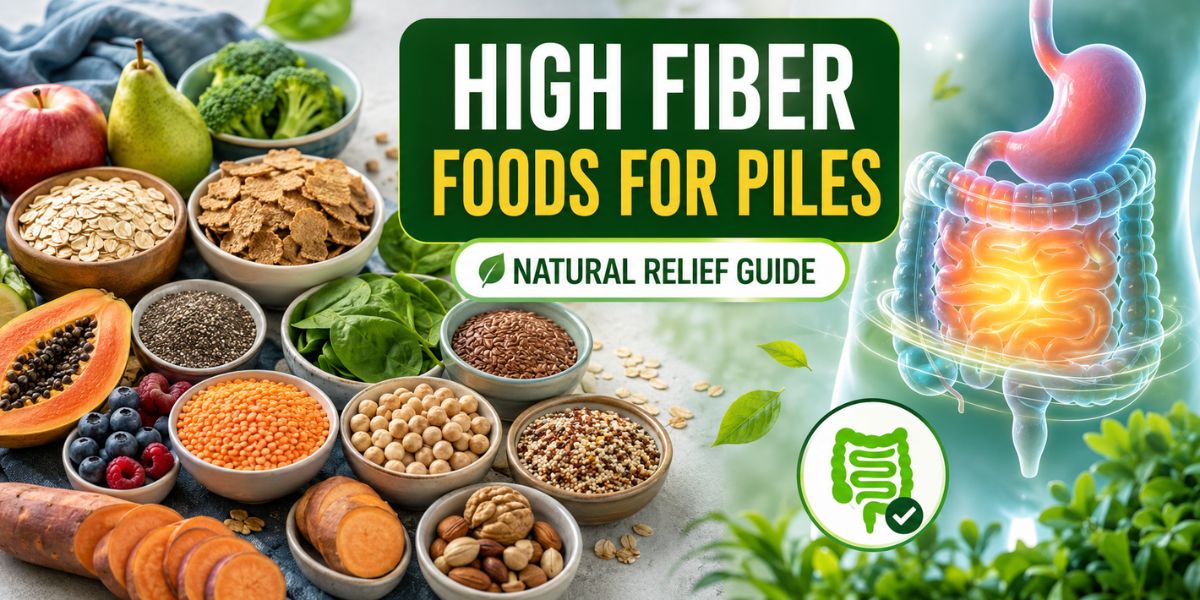
15 Best High Fiber Foods for Piles: A Complete Guide to Better Digestion and Natural Relief
Understanding the Role of High Fiber Foods for Piles in Digestive Wellness
Digestive problems such as piles, hemorrhoids, anal discomfort, and constipation are often linked with hard stool, excessive pressure during bowel movements, and unhealthy eating habits. Choosing the right nutrition can support smoother evacuation, reduce irritation, and improve long-term bowel health. Many patients ask, “What are the best high fiber foods for piles?” The answer begins with understanding how dietary fiber supports stool consistency and healthy digestion.
According to Dr. Rakesh Gupta, improving daily food choices is an important part of patient education because a balanced diet can support recovery and prevent recurring symptoms. The right foods can increase fiber intake, improve bowel movement patterns, and reduce straining.
At Centre For Piles & Fistula, patients receive personalized guidance combining nutrition, lifestyle changes, and advanced treatment options for anorectal conditions. A medically reviewed approach helps patients understand that diet alone may not treat every severe case, but it plays a valuable role in symptom management.
Piles occur when veins around the rectum or anus become swollen due to pressure. Common causes include constipation, low fiber diet, prolonged sitting, pregnancy, obesity, heavy lifting, chronic diarrhea, and repeated straining during bowel movements.
A fiber-focused eating pattern may help with:
- Softer stool and easier evacuation
- Reduced pressure on rectal veins
- Better gut health and digestive support
- Improved constipation relief
- Healthy bowel habits
High Fiber Foods for Piles: 15 Best Choices for Better Digestion and Natural Relief
What are the best high fiber foods for piles and how do they support bowel health?
The best high fiber foods for piles include fruits, vegetables, whole grains, legumes, seeds, and natural sources of soluble fiber and insoluble fiber. Soluble fiber absorbs water and forms a soft gel, while insoluble fiber adds bulk to stool and supports regular bowel movements.
These foods work by improving stool consistency, reducing the need for straining, and supporting the digestive system. Patients looking for a high fiber Indian diet for piles can include traditional foods such as lentils, chickpeas, green gram, millets, vegetables, and fruits.
These foods are among the most effective foods to eat for piles because they naturally support healthy stool formation. Fruits such as Apple, Pear, Banana, Orange, Kiwi, Berries, Figs, Prunes, and Papaya provide fiber along with hydration. Vegetables such as Broccoli, Spinach, Carrot, Beetroot, Sweet Potato, Pumpkin, Cabbage, Cauliflower, Green Beans, and Okra add essential nutrients for digestive health.
Whole grains including Oats, Brown Rice, Barley, Quinoa, Whole Wheat, Millets, Rye, and Bran are valuable parts of a fiber diet for hemorrhoids. Legumes like Lentils, Chickpeas, Kidney Beans, Black Beans, Green Gram, and Split Peas are also excellent choices.
Seeds and nuts such as Chia Seeds, Flaxseeds, Pumpkin Seeds, Sunflower Seeds, Almonds, and Walnuts provide additional nutritional support.
Also Read: Which Juice Is Good for Piles? Doctor-Recommended Drinks for Natural Relief
7-Day Fiber Diet Plan for Piles Patients
A practical diet plan can help patients maintain consistency. The following sample plan provides ideas for an easy diet for piles patients:
People searching for a diet plan for piles patients should also focus on hydration. Fiber requires adequate water intake to work effectively.
Also Read: Is Piles Genetic? Understanding Heredity, Family History, Causes, Symptoms, and Risk
Water Intake Guidance for Home, Office, and Daily Routine
Water intake is essential because fiber without enough fluids may increase stool hardness. Patients should maintain hydration according to their body's needs, climate, activity level, and medical advice.
- At home: Keep a water bottle nearby and drink regularly between meals.
- At office: Avoid long periods without water; set reminders during working hours.
- During travel: Carry safe drinking water to maintain healthy digestion.
- During exercise: Increase fluids according to sweating and activity.
- In hot weather: Additional hydration may be required.
Water supports stool softening, digestive wellness, and healthy bowel function. Along with water, clear soups and fresh fruit fluids may support hydration.
Foods that reduce piles symptoms naturally are most effective when combined with healthy lifestyle habits. Also Read: How to Take Isabgol for Constipation: The Right Way to Get Better Relief
Foods to Eat and Avoid for Piles: Building a Healthy Digestive Routine
Foods that help piles heal and foods to avoid constipation with hemorrhoids
A healthy diet for hemorrhoids should focus on natural foods for piles while reducing items that may worsen constipation. Many patients ask, “What foods should I avoid with piles?” Foods low in fiber and highly processed options may negatively affect bowel health.
Foods to limit include:
- Fried foods and excessive oily meals
- Packaged snacks
- Processed foods
- Excess sugar products
- Refined carbohydrates
- Excess red meat
- Low-fiber fast foods
These foods may slow digestion and increase constipation risk. Some foods can also reduce the effectiveness of fiber intake when consumed frequently.
Foods to avoid and eat for piles should be planned carefully. For example, choosing whole grains instead of refined grains and fresh fruits instead of processed snacks can support better digestion.
A fiber rich breakfast for piles may include oats, fruits, chia seeds, and nuts. Lunch ideas for piles patients can include lentils, vegetables, brown rice, and salads. Dinner foods for hemorrhoids should be lighter, nutrient-rich, and easy to digest.
Common symptoms requiring medical evaluation include:
- Bleeding piles
- Painful bowel movement
- Itching around the anus
- Rectal bleeding
- Burning sensation
- Lump near anus
- Mucus discharge
Dr. Ruchi Gupta explains that patients should not ignore persistent symptoms because early professional diagnosis helps identify suitable treatment options. Dietary improvements can support recovery, but advanced conditions may require medical care.
For individuals searching for the Best Piles Doctor in Delhi, Best Fissure Doctor in Delhi, or Best Fistula Doctor in Delhi, expert evaluation is important for choosing the correct treatment approach.
Centre For Piles & Fistula focuses on patient-centered care with therapies designed according to individual needs. Treatment options may include lifestyle guidance, sitz bath recommendations, stool softeners, minimally invasive treatment, laser procedures, and other medical approaches.
Also Read: Sitting Too Long Piles: Causes & Prevention Tips
Expert Guidance, Treatment Options, and Long-Term Prevention for Piles
Can fiber cure piles naturally and when should patients seek medical help?
Many patients ask, “Can fiber cure piles naturally?” Increasing fiber can reduce constipation, support stool softening, and improve symptoms, but it may not completely resolve advanced hemorrhoids. A healthcare professional can recommend personalized advice after medical evaluation.
Research-backed nutrition principles show that adequate fiber, hydration, exercise, and healthy lifestyle habits support digestive health. A combination of dietary recommendations and proper treatment can improve long-term digestive wellness.
Dr. Rakesh Gupta and Dr. Ruchi Gupta recommend focusing on prevention strategies such as:
- Maintaining regular bowel habits
- Avoiding excessive straining
- Staying physically active
- Following balanced nutrition
- Supporting healthy gut bacteria with probiotics and prebiotics
Patients searching for the Best Laser Treatment in Delhi, Constipation Doctor in Delhi, or Female Doctor for Piles in Delhi should choose experienced healthcare professionals who provide complete guidance.
The right foods after piles surgery may support recovery by preventing hard stools and reducing pressure during evacuation. Similarly, foods for bleeding piles should include adequate fiber, fluids, and nutrient-rich options.
Patients looking for foods that soften stool, foods for hemorrhoid relief, or foods to reduce piles should remember that consistency is key. Healthy eating for piles recovery requires daily attention rather than temporary changes.
Centre For Piles & Fistula provides guidance for piles, fissures, fistula, and related anorectal concerns with a patient-focused approach. Along with nutritional support, appropriate treatments such as Kshar Sutra therapy, laser treatment, and other minimally invasive options may be considered after consultation.
Also Read: Constipation vs Piles: Symptoms, Causes, Differences & Treatment Guide
Conclusion: Choosing the Right Nutrition and Care for Healthy Digestion
Including fiber foods for anal fissures, vegetables good for piles, best fruits for hemorrhoids, and whole grains can help maintain healthy digestion and support bowel health. A nutritious routine with proper hydration can reduce constipation and improve comfort.
The best foods after piles surgery, foods to prevent hemorrhoids, and foods for constipation and piles should always be selected according to individual health conditions. A personalized approach provides better long-term results.
If you are experiencing recurring piles symptoms, constipation, bleeding, or discomfort, consult experienced specialists for professional guidance. Visit Centre For Piles & Fistula through our Google Business Profile to learn more about treatment options and schedule a consultation with Dr. Rakesh Gupta and Dr. Ruchi Gupta.
Take the next step toward better digestive wellness with expert care, balanced nutrition, and evidence-based treatment support.
Recent Blogs
Piles Myths and Facts: What You Should Really...
14 Sep 2026
Can Junk Food and Poor Diet Increase the Risk...
12 Sep 2026

Is Piles Genetic? Understanding Heredity, Fam...
10 Aug 2026